
Anne Douglas
LMFTNorth Carolina · 25 yrs exp
Stress, Anxiety · Relationship · Family · Grief · +15 more
Read profileThe therapist listings are provided by BetterHelp and we will earn a commission if you use our link - at no cost to you.
This directory page highlights therapists who list Internal Family Systems among their approaches and who focus on body image concerns. Browse the listings below to explore practitioners who work with parts and to learn about their focus areas, approaches, languages, and experience.
North Carolina · 25 yrs exp
Stress, Anxiety · Relationship · Family · Grief · +15 more
Read profile
Colorado · 19 yrs exp
Stress, Anxiety · Relationship · Trauma and abuse · Grief · +12 more
Read profile
Florida · 20 yrs exp
Stress, Anxiety · Addictions · Relationship · Self esteem · +16 more
Read profile
Oregon · 26 yrs exp
Stress, Anxiety · Trauma and abuse · Grief · Depression · +10 more
Read profile
Kansas · 12 yrs exp
Stress, Anxiety · Relationship · Intimacy-related issues · Depression · +13 more
Read profile
Louisiana · 7 yrs exp
Stress, Anxiety · Family · Trauma and abuse · Parenting · +15 more
Read profile
Louisiana · 10 yrs exp
Stress, Anxiety · Relationship · Family · Depression · +12 more
Read profile
Texas · 10 yrs exp
Stress, Anxiety · Relationship · Family · Depression · +14 more
Read profile
Ohio · 18 yrs exp
Stress, Anxiety · Trauma and abuse · Grief · Anger · +11 more
Read profile
California · 8 yrs exp
Stress, Anxiety · Addictions · Relationship · Self esteem · +15 more
Read profile
Texas · 22 yrs exp
Stress, Anxiety · Relationship · Trauma and abuse · Depression · +16 more
Read profile
Indiana · 8 yrs exp
Stress, Anxiety · Addictions · Family · Trauma and abuse · +15 more
Read profile
Utah · 6 yrs exp
Stress, Anxiety · Trauma and abuse · Self esteem · Depression · +8 more
Read profile
Florida · 17 yrs exp
Stress, Anxiety · Trauma and abuse · Eating · Self esteem · +14 more
Read profile
Mississippi · 25 yrs exp
Stress, Anxiety · Relationship · Family · Grief · +15 more
Read profile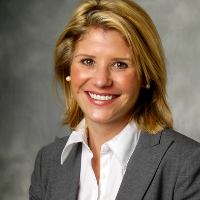
South Carolina · 20 yrs exp
Stress, Anxiety · Relationship · Eating · Self esteem · +10 more
Read profile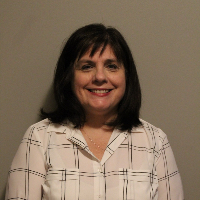
New York · 36 yrs exp
Stress, Anxiety · Family · Parenting · Self esteem · +7 more
Read profile
Illinois · 12 yrs exp
Trauma and abuse · Self esteem · Coping with life changes · Coaching · +8 more
Read profile
Ohio · 17 yrs exp
Stress, Anxiety · Family · Parenting · Depression · +12 more
Read profile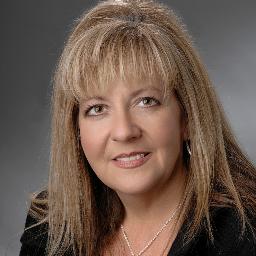
Kansas · 17 yrs exp
Stress, Anxiety · Relationship · Family · Anger · +10 more
Read profile
Tennessee · 35 yrs exp
Addictions · Relationship · Family · Trauma and abuse · +1 more
Read profile
South Carolina · 8 yrs exp
Stress, Anxiety · Relationship · Family · Coping with life changes · +11 more
Read profile
Florida · 20 yrs exp
Stress, Anxiety · Relationship · Grief · Self esteem · +1 more
Read profile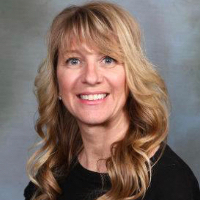
Michigan · 25 yrs exp
Stress, Anxiety · Relationship · Self esteem · Coping with life changes · +11 more
Read profileWhen you struggle with body image, what you most often experience is a set of protective patterns that try to keep you safe from old wounds. Internal Family Systems, developed by Richard Schwartz in the 1980s, begins from the idea that your mind is naturally multiple - made up of parts that each have intentions, even when those intentions feel harsh or puzzling. Rather than aiming simply to change behaviors or thoughts, IFS helps you understand why certain parts became active in the first place. A manager part might try to control your appearance or your behavior to prevent criticism, while a firefighter part may react with bingeing, avoidance, or rage when intense shame surfaces. Underneath these protectors are exiles carrying raw hurt from earlier experiences. The goal in IFS is not to eradicate parts but to build a relationship with them so the Self - that calm, curious, compassionate center - can lead.
Framing body image concerns as protective work shifts the focus from eliminating symptoms to understanding function. You learn why a part criticizes your body, what it fears will happen if it stops, and how it learned to hold that role. This approach gives you a pathway to change that does not rely on willpower alone. It asks you to be curious about the felt experience behind self-criticism and to create conditions where protectors feel heard rather than threatened.
In IFS, you discover that the harsh inner voice that criticizes your body is usually a protector trying to prevent greater pain. That manager voice might believe its bluntness keeps you motivated, or that it reduces vulnerability by urging you to conform to external standards. Firefighter parts are the ones who act in crisis to numb or distract you - through compulsive eating, exercise extremes, or withdrawal - when an exile's shame pushes through. Exiles themselves carry the earliest feelings of rejection, humiliation, or loss that often fuel a lifelong sensitivity about appearance. IFS work invites you to meet these parts with compassion and curiosity rather than trying to overpower them.
Because IFS treats parts as having positive intent, you can begin to negotiate with them. You might ask a protector what it fears would happen if it relaxed, or welcome an exile enough to hear its story. The Self is described by qualities such as calm, curiosity, compassion, clarity, courage, confidence, creativity, and connectedness. When you access those qualities, you can offer leadership that reassures protectors and helps exiles unburden painful beliefs. Over time, this process can reduce the intensity of negative body-focused inner dialogues and change the ways you respond to triggers.
Your early IFS sessions will often focus on building a relationship with protectors. A therapist working with an IFS frame will help you notice which part is speaking when you feel self-critical, ashamed, or compelled to act. Initial sessions usually move at a reflective pace - learning to unblend so you can speak for a part rather than from it, asking a protector for permission to get closer to its concerns, and mapping the system of parts that shows up around body image. You will practice the stance of curiosity and respect toward parts, which lays the groundwork for deeper work.
As sessions progress, you may spend time witnessing exiles in a way that allows them to release burdens they have been carrying, using language and ritual appropriate to the therapeutic setting. Unburdening is typically done only after protectors feel heard and less reactive. The therapist will support you to maintain access to Self qualities - calm, compassion, and clarity - so that parts can safely reveal their needs. Pace varies: some people make meaningful shifts in months, others take longer as layers of protectors and exiles are gently explored. Throughout, your therapist should check in about comfort and consent, and you remain in control of how far you go in any given session.
IFS can be particularly helpful if you experience a persistent inner critic, long-standing shame about appearance, or feel at war with parts of yourself that seem to push and punish. If you find that skills-based strategies only address symptoms for a short time, parts work offers an alternative by going after the system that maintains those symptoms. Unlike approaches that focus mainly on cognitive restructuring or behavioral change, IFS emphasizes relationship with inner states and healing the wounded parts that underlie problematic responses.
Many therapists integrate IFS with trauma-informed approaches when early experiences are central to body image distress. Compared with therapies that focus primarily on techniques, such as cognitive-behavioral methods that teach specific skills, IFS prioritizes the internal leadership of the Self and the restoration of balance among parts. That does not mean IFS excludes skill-building; rather, it often pairs well with other methods when those tools are introduced from a Self-led place. If you have experienced complex trauma, an IFS practitioner may work alongside other trauma-informed methods to honor safety and nervous system regulation while engaging parts work.
When you explore therapist profiles, look for clinicians who list Internal Family Systems among their approaches and who describe experience addressing body image themes. Ask about the therapist's experience working with parts around shame, eating patterns, compulsive behaviors, or appearance-based anxiety. Since listing an approach does not indicate a specific credential or level of training, ask directly about the nature and depth of their IFS experience and about any supplemental training they may have completed. The IFS Institute offers Level 1 to Level 3 trainings and a separate certification pathway; many clinicians pursue some IFS education without completing the formal certification process, so it is reasonable to inquire about specifics.
In a consultation, pay attention to how the therapist explains the IFS model and whether they describe practical steps like unblending, asking protectors for permission, and supporting unburdening. Discuss professional credentials and verify licensure in your state or region as part of your decision-making. You can also ask how they integrate other approaches when needed - for example, whether they include trauma-informed stabilization, somatic work, or skills-based strategies alongside parts work. Because IFS is introspective, it adapts well to video sessions; you can ask how they structure remote sessions and what supports they use to maintain a steady pace and safety when working online.
Choosing a therapist is a personal process. Consider their stated focus areas, therapeutic approach, languages they offer, years of experience, and how they describe working with body image and parts. Look for an initial consultation that allows you to gauge fit and to ask the questions that matter to you. Whether you are seeking relief from a harsh inner critic, wanting to change reactive behaviors, or hoping to reconnect with a more compassionate internal leader, IFS offers a path that centers relationship with your parts and cultivates the Self qualities that can guide lasting change.
Alabama
28 therapists
Alaska
6 therapists
Arizona
31 therapists
Arkansas
8 therapists
California
189 therapists
Colorado
70 therapists
Connecticut
20 therapists
Delaware
6 therapists
District of Columbia
6 therapists
Florida
234 therapists
Georgia
83 therapists
Hawaii
9 therapists
Idaho
19 therapists
Illinois
76 therapists
Indiana
42 therapists
Iowa
5 therapists
Kansas
21 therapists
Kentucky
26 therapists
Louisiana
45 therapists
Maine
5 therapists
Maryland
20 therapists
Massachusetts
23 therapists
Michigan
81 therapists
Minnesota
31 therapists
Mississippi
21 therapists
Missouri
67 therapists
Montana
16 therapists
Nebraska
16 therapists
Nevada
15 therapists
New Hampshire
8 therapists
New Jersey
38 therapists
New Mexico
12 therapists
New York
83 therapists
North Carolina
84 therapists
North Dakota
4 therapists
Ohio
47 therapists
Oklahoma
46 therapists
Oregon
19 therapists
Pennsylvania
75 therapists
Rhode Island
3 therapists
South Carolina
36 therapists
South Dakota
4 therapists
Tennessee
36 therapists
Texas
202 therapists
Utah
44 therapists
Vermont
9 therapists
Virginia
33 therapists
Washington
29 therapists
West Virginia
8 therapists
Wisconsin
42 therapists
Wyoming
6 therapists