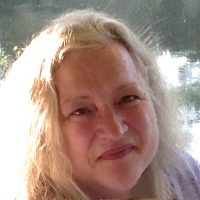
Christine Garwick-Foley
LPCMinnesota · 25 yrs exp
Stress, Anxiety · Relationship · Grief · Self esteem · +9 more
Read profileThe therapist listings are provided by BetterHelp and we will earn a commission if you use our link - at no cost to you.
Welcome to IFSTherapists' Minnesota directory for Internal Family Systems approaches. All therapists listed are licensed and include IFS among their clinical approaches. Browse profiles to explore specialties, languages, credentials, and to find practitioners whose approach may fit your needs.
Minnesota · 25 yrs exp
Stress, Anxiety · Relationship · Grief · Self esteem · +9 more
Read profile
Minnesota · 20 yrs exp
Stress, Anxiety · Grief · Self esteem · Depression · +8 more
Read profile
Minnesota · 29 yrs exp
Stress, Anxiety · Grief · Self esteem · Depression · +12 more
Read profile
Minnesota · 15 yrs exp
Stress, Anxiety · Relationship · Eating · Self esteem · +15 more
Read profile
Minnesota · 11 yrs exp
Stress, Anxiety · Relationship · Family · Depression · +9 more
Read profile
Minnesota · 7 yrs exp
Stress, Anxiety · Relationship · Trauma and abuse · Depression · +13 more
Read profile
Minnesota · 6 yrs exp
Stress, Anxiety · Addictions · Relationship · Self esteem · +9 more
Read profile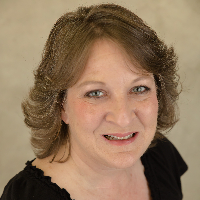
Minnesota · 21 yrs exp
Stress, Anxiety · Relationship · Grief · Self esteem · +9 more
Read profile
Minnesota · 6 yrs exp
Stress, Anxiety · Addictions · Trauma and abuse · Depression · +15 more
Read profile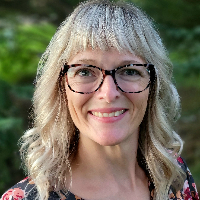
Minnesota · 15 yrs exp
Stress, Anxiety · Self esteem · Trauma and abuse · Grief · +4 more
Read profile
Minnesota · 25 yrs exp
Stress, Anxiety · Relationship · Trauma and abuse · Grief · +16 more
Read profile
Minnesota · 8 yrs exp
Stress, Anxiety · Grief · Sleeping · Depression · +12 more
Read profile
Minnesota · 23 yrs exp
Stress, Anxiety · Relationship · Grief · Depression · +11 more
Read profile
Minnesota · 15 yrs exp
Stress, Anxiety · Family · Parenting · Self esteem · +14 more
Read profile
Minnesota · 8 yrs exp
Stress, Anxiety · Relationship · Trauma and abuse · Parenting · +8 more
Read profile
Minnesota · 11 yrs exp
Family · Trauma and abuse · Grief · Intimacy-related issues · +14 more
Read profile
Minnesota · 7 yrs exp
Stress, Anxiety · Self esteem · Depression · Coping with life changes · +11 more
Read profile
Minnesota · 3 yrs exp
Stress, Anxiety · Grief · Depression · Coping with life changes · +4 more
Read profile
Minnesota · 9 yrs exp
Family · Trauma and abuse · Parenting · Anger · +6 more
Read profile
Minnesota · 10 yrs exp
Stress, Anxiety · Relationship · Trauma and abuse · Self esteem · +12 more
Read profile
Minnesota · 30 yrs exp
Grief · Intimacy-related issues · Depression · Coping with life changes · +12 more
Read profile
Minnesota · 30 yrs exp
Stress, Anxiety · Trauma and abuse · Parenting · Depression · +12 more
Read profile
Minnesota · 20 yrs exp
Stress, Anxiety · Relationship · Self esteem · Coping with life changes · +11 more
Read profile
Minnesota · 14 yrs exp
Stress, Anxiety · Relationship · Family · Trauma and abuse · +1 more
Read profileIf you live in Minnesota and are curious about parts work, you will find clinicians who list Internal Family Systems as one of their approaches and offer online sessions. IFS is built on the idea that the mind is naturally multiple - you have parts that carry feelings, beliefs, and memories, and a core Self that can lead with calm curiosity. What sets IFS apart from skills-based therapies is this focus on relationship with inner parts rather than only changing thoughts or behaviors. Instead of overriding an uneasy part, the work seeks to understand protectors - the parts that try to manage or extinguish uncomfortable emotions - and to build trust between parts and Self. Protectors often fall into two broad roles: managers, which operate proactively to keep you organized or in control, and firefighters, which reactively push you toward quick fixes when pain erupts. Underneath them are exiles, parts that carry the original hurt or fear. In Minnesota, people seek IFS when they feel at war with themselves, when different reactions keep undermining their intentions, or when they want to shift long-standing internal patterns in a relational way rather than through only techniques.
IFS is commonly used for experiences that feel like internal conflict - when one part of you wants connection and another shuts down, or when a reaction repeats itself despite your best intentions. In Minnesota, clinicians who use parts work address a wide range of concerns including trauma and childhood wounds, anxiety, depression, harsh self-criticism, shame, addictive or compulsive patterns, eating difficulties, and relationship patterns. The model is especially relevant when you notice recurring inner dynamics - for example, a protector that insists on controlling situations to avoid vulnerability, or a firefighter that numbs pain through impulsive behavior. Rather than labeling those reactions as bad, IFS treats them as parts with protective motives. You learn to notice which part is speaking in a moment and to invite curiosity from your Self. Over time, parts that were stuck in survival roles often relax their intensity as the Self develops a steadier, compassionate leadership. This approach can change the felt experience of longstanding difficulties by addressing the relationships inside you rather than only teaching behavioral skills. That said, IFS can complement skills-based work. If you are finding that thought-focused or behavioral strategies alone do not shift an internal clash, parts work offers an alternative path that attends to why those patterns emerged and how they keep functioning.
Because IFS centers on inner negotiation, reflective conversation, and the cultivation of Self presence, video sessions translate well to online work for many people. When you meet by video, your therapist can guide you through noticing sensations, gestures, and the language of parts, and you can practice bringing a curious stance to different internal voices. What matters most for effective online work is that you have a consistent, uninterrupted place to meet where you can focus and feel comfortable. Many Minnesota residents choose online sessions for the convenience of attending from home or from a familiar setting, while others prefer in-person meetings depending on their needs. Therapists who offer parts work online still need to follow state rules: they must be licensed to provide clinical care to Minnesota residents. If you have mobility limits, live in a rural part of the state, or simply prefer digital sessions, online IFS can make parts work accessible while preserving the relational quality that is essential to this approach. You can expect a session to involve noticing which part is active, offering curiosity from your Self, and sometimes using guided imagery or gentle experiential prompts to help parts share their roles and needs. Progress often unfolds gradually as trust builds between parts and the Self gains influence over internal dynamics.
When you see a clinician who lists Internal Family Systems as an approach, it is prudent to verify their licensure. Start by noting the professional credential they display - common designations include Licensed Clinical Social Worker, Licensed Marriage and Family Therapist, Licensed Professional Counselor, or Psychologist. Ask the clinician for their license number if it is not listed on their profile. Then use Minnesota's state licensing resources to confirm the license status and any public disciplinary history. Each type of credential is overseen by a different board, so check the appropriate Minnesota licensing board website for an online license lookup or directory. These tools typically allow you to search by name or license number and will show whether the license is active, the date of issuance, and sometimes the expiration date. If you have questions about what you find, contact the relevant board directly for clarification. Verifying licensure helps you confirm that a clinician is authorized to practice in Minnesota and provides an additional layer of information as you evaluate fit. Remember that listing IFS among clinical approaches on a profile indicates an interest or experience with parts work, but it does not by itself indicate completion of specific Institute trainings or a particular credential in that model. Asking about educational background, supervision, and specific IFS learning experiences is a responsible step when deciding who to work with.
Choosing someone to do parts work with is both practical and personal. Start by thinking about the kinds of concerns you want to address - trauma, relationship patterns, self-criticism, or compulsive behaviors - and look for clinicians who list those focus areas alongside IFS. You should compare practitioners by approaches, credentials, experience, languages spoken, and stated specialties rather than relying on availability, which can change frequently. In the IFS community there are multiple ways clinicians learn about the model: the IFS Institute offers Level 1 through Level 3 trainings and a separate certification path, but many clinicians learn through workshops, mentorship, or integrative study. When you contact a clinician, ask about the nature of their IFS education, whether they continue to engage in consultation or study groups, and how they integrate parts work with other modalities if applicable. During an initial consultation you will want to get a sense of how they explain parts work, how they help you find your Self, and how they approach pacing and safety in sessions. You can also discuss whether you prefer a therapist who focuses primarily on IFS or one who blends it with complementary methods like narrative therapy or experiential approaches. For some people in Minnesota, an in-person relationship feels essential; for others, online sessions offer greater access and comfort. Consider your own needs for presence, body-based work, and logistical constraints when weighing in-person versus online. Ultimately, fit matters: you are looking for a clinician who listens, explains the IFS map in a way that resonates with you, and invites your curiosity about your inner system rather than imposing a quick fix. Asking about training, consultation, and experience with parts work will help you make an informed choice while keeping expectations realistic about the range of backgrounds clinicians may have.
Exploring our Minnesota listings can help you identify licensed clinicians who include Internal Family Systems among their approaches. As you read profiles, focus on the match between your concerns and a clinician's specialties, their professional credentials, and their descriptions of how they do parts work. When you reach out, ask about licensure, the clinician's IFS learning experiences, and how they structure online sessions so you can find the approach and working relationship that feel right for you.
Addictions
1144 therapists
ADHD
1068 therapists
Anger
1326 therapists
Control Issues
1214 therapists
Depression
1835 therapists
Dissociation
567 therapists
Eating Disorders
561 therapists
Grief
1521 therapists
Guilt and Shame
1685 therapists
Impulsivity
1041 therapists
Intimacy Issues
1160 therapists
Isolation / Loneliness
1502 therapists
OCD
752 therapists
Panic Disorder and Panic Attacks
1168 therapists
Post-Traumatic Stress
1521 therapists
Self Esteem
1791 therapists
Self-Harm
751 therapists
Sexual Trauma
806 therapists
Social Anxiety and Phobia
1437 therapists
Stress & Anxiety
1989 therapists
Trauma and Abuse
1735 therapists
Abandonment
1277 therapists
Attachment Issues
1391 therapists
Body Image
902 therapists
Codependency
1241 therapists
Compassion Fatigue
1155 therapists
Coping with Life Changes
1705 therapists
Family
1580 therapists
Family of Origin Issues
1198 therapists
Parenting
1355 therapists
Relationship
1777 therapists
Self-Love
1622 therapists