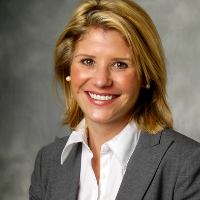
Stephanie Greene
LISWSouth Carolina · 20 yrs exp
Stress, Anxiety · Relationship · Eating · Self esteem · +10 more
Read profileThe therapist listings are provided by BetterHelp and we will earn a commission if you use our link - at no cost to you.
Welcome to our directory of Internal Family Systems (IFS) therapists serving South Carolina. All therapists listed here are licensed and include IFS among their clinical approaches. Explore profiles to find clinicians whose focus, experience, and languages match what you need.
South Carolina · 20 yrs exp
Stress, Anxiety · Relationship · Eating · Self esteem · +10 more
Read profile
South Carolina · 8 yrs exp
Stress, Anxiety · Relationship · Family · Coping with life changes · +11 more
Read profile
South Carolina · 21 yrs exp
Relationship · Grief · Parenting · Depression · +14 more
Read profile
South Carolina · 8 yrs exp
Stress, Anxiety · Relationship · Self esteem · Depression · +10 more
Read profile
South Carolina · 10 yrs exp
Stress, Anxiety · Relationship · Family · Trauma and abuse · +2 more
Read profile
South Carolina · 18 yrs exp
Stress, Anxiety · Relationship · Family · Trauma and abuse · +6 more
Read profile
South Carolina · 32 yrs exp
Stress, Anxiety · Relationship · Anger · Depression · +4 more
Read profile
South Carolina · 24 yrs exp
Stress, Anxiety · Addictions · Family · Parenting · +12 more
Read profile
South Carolina · 16 yrs exp
Relationship · Family · Trauma and abuse · Grief · +9 more
Read profile
South Carolina · 20 yrs exp
Stress, Anxiety · LGBT · Relationship · Trauma and abuse · +14 more
Read profile
South Carolina · 10 yrs exp
Stress, Anxiety · Relationship · Grief · Self esteem · +8 more
Read profile
South Carolina · 10 yrs exp
Stress, Anxiety · Trauma and abuse · Anger · Depression · +14 more
Read profile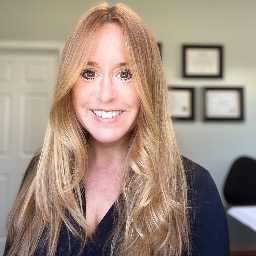
South Carolina · 24 yrs exp
Stress, Anxiety · Relationship · Self esteem · Depression · +14 more
Read profile
South Carolina · 13 yrs exp
Stress, Anxiety · Trauma and abuse · Grief · Self esteem · +4 more
Read profile
South Carolina · 13 yrs exp
Stress, Anxiety · Trauma and abuse · Grief · Parenting · +11 more
Read profile
South Carolina · 8 yrs exp
Stress, Anxiety · Grief · Self esteem · Depression · +13 more
Read profile
South Carolina · 3 yrs exp
Stress, Anxiety · Parenting · Anger · Self esteem · +10 more
Read profile
South Carolina · 52 yrs exp
Stress, Anxiety · Relationship · Grief · Intimacy-related issues · +15 more
Read profile
South Carolina · 20 yrs exp
Stress, Anxiety · Addictions · Trauma and abuse · Parenting · +15 more
Read profile
South Carolina · 32 yrs exp
Stress, Anxiety · Family · Trauma and abuse · Grief · +11 more
Read profile
South Carolina · 40 yrs exp
Stress, Anxiety · Relationship · Self esteem · Depression · +9 more
Read profile
South Carolina · 6 yrs exp
Stress, Anxiety · Relationship · Family · Intimacy-related issues · +6 more
Read profile
South Carolina · 41 yrs exp
Stress, Anxiety · Relationship · Family · Grief · +12 more
Read profile
South Carolina · 8 yrs exp
Stress, Anxiety · Family · Parenting · Self esteem · +11 more
Read profileIf you are curious about parts work, Internal Family Systems offers a framework that may feel different from many common therapies. IFS begins with the premise that your mind is naturally multiple - you have parts that carry feelings, beliefs, and responses. Some parts act as protectors by trying to prevent pain, and those protectors are often grouped as managers - which are more proactive - and firefighters - which respond reactively when intense emotion surfaces. Other parts carry old wounds and painful memories; these are often called exiles. At the center of this system is the Self - a calmer, curious, leaderlike presence that can help parts relate to each other with compassion. In South Carolina, therapists who include IFS among their approaches work with people who feel internally conflicted, stuck in repeated reactions, or at odds with their own intentions. The appeal of IFS is that it focuses on getting to know protectors rather than overriding them, helping you build an inner relationship that reduces struggle without shaming any part of you.
If you feel like you are at war with yourself - where one reaction repeatedly overrides what you want, or you swing between different states without a sense of choice - IFS often targets that internal dynamic. Therapists commonly use parts work with people dealing with trauma and childhood wounds, because the model offers a way to approach painful memories through parts that have been protecting you. IFS is also used for anxiety and depression when worry or withdrawal dominate day-to-day life, and for harsh self-criticism or shame that leaves you feeling unworthy. You may notice patterns such as addictive or compulsive behaviors, eating difficulties, or relationship cycles where the same conflict repeats; IFS aims to uncover the parts driving these patterns and to create more cooperative inner leadership. Unlike therapies that emphasize learning and practicing new skills - such as cognitive-behavioral models or dialectical strategies - IFS centers on relationship with your internal parts. Instead of focusing primarily on changing thoughts or behaviors, it invites curiosity about why those thoughts and behaviors exist and how they might be cared for so that you can make changes from a calm, grounded place.
Because IFS is largely internal and reflective, video-based sessions often adapt well to the approach. When you work online, the therapist can observe your facial expressions, tone, and bodily shifts while you move through parts work together. To make the most of remote sessions, plan for a quiet, uninterrupted time where you can speak and listen without distractions, and where you have a sense of physical comfort. A private space for sessions helps you focus, and it is useful to have a chair, cushion, or place to ground yourself if strong feelings arise. You will likely use the camera and microphone to convey what you are noticing, and the clinician may invite you to describe sensations or to dialogue with a part. Many therapists adapt pacing and safety checks to the online format, pausing to help you regulate and offering techniques for grounding between sessions. Keep in mind that ethical and legal practice requires therapists to be licensed in South Carolina if they are to provide care to residents of the state. If you are exploring online options, consider how the format fits your comfort level for emotional work and whether you prefer occasional in-person meetings for specific moments or assessments.
Verifying licensure is a practical step when you are choosing a clinician. You can begin by asking a therapist for their license type and license number, and for the exact professional credential they hold - for example, licensed professional counselor, licensed clinical social worker, psychologist, or marriage and family therapist. With that information, check the appropriate state licensing board's online verification search to confirm the license is active and to view the licensure date and disciplinary history if any. If you prefer, you can also ask the clinician directly how they maintain continuing education and what professional organizations they belong to. Another useful check is the provider's National Provider Identifier, which can help you verify practitioner details across databases. When you look at licensure records, pay attention to the scope of practice listed and any actions on the record that might affect your decision. Remember that licensure rules vary by profession, so confirm that the board you consult corresponds to the clinician's credential. Asking about supervision and experience with particular populations can also give you a fuller picture of professional qualifications beyond the licensure snapshot.
Deciding which therapist to work with is as much about how you experience them as it is about objective credentials. In conversations or consultations, you can ask about their experience using Internal Family Systems with concerns like yours and whether they have completed IFS Institute Level 1, Level 2, or Level 3 trainings or pursued the separate certification program. Many clinicians study parts work without completing formal certification, so it is reasonable to ask for specifics about what they studied and how they integrate IFS with other approaches. You might inquire how they describe the Self and protectors to clients, how they pace sessions when strong emotions appear, and what a typical session looks like for parts work. Thinking about practical fit matters too - consider whether you prefer a therapist who blends IFS with skills-based therapy such as cognitive approaches for immediate symptom management, or someone who focuses primarily on depth-oriented parts work. For some people, an in-person relationship feels essential for high intensity healing; for others, online sessions are more accessible and allow for consistent work. When language or cultural background is important to you, look for clinicians who list those competencies in their profiles. Ultimately, trust how you feel in an initial conversation and whether the clinician explains the IFS process in a way that makes sense to you.
When you browse this directory, use clinician profiles to learn about backgrounds, specialties, languages, and the ways they describe using IFS with clients. Profiles can be a starting point for selecting a few potential clinicians to contact so you can ask about training, practice approach, and what it feels like to work with parts. Prepare a short list of questions about how they address protectors and exiles, how they support emotional regulation during sessions, and whether they integrate other modalities alongside parts work. If you have a history of trauma or complex health needs, ask how they coordinate with other professionals when appropriate. Remember that finding the right fit can take time - what matters most is that you feel heard, understood, and supported in the way you want to approach your inner system. Parts work can open new ways of relating to inner conflict, and choosing a clinician who communicates clearly about the IFS process is one of the best ways to begin.
Addictions
1144 therapists
ADHD
1068 therapists
Anger
1326 therapists
Control Issues
1214 therapists
Depression
1835 therapists
Dissociation
567 therapists
Eating Disorders
561 therapists
Grief
1521 therapists
Guilt and Shame
1685 therapists
Impulsivity
1041 therapists
Intimacy Issues
1160 therapists
Isolation / Loneliness
1502 therapists
OCD
752 therapists
Panic Disorder and Panic Attacks
1168 therapists
Post-Traumatic Stress
1521 therapists
Self Esteem
1791 therapists
Self-Harm
751 therapists
Sexual Trauma
806 therapists
Social Anxiety and Phobia
1437 therapists
Stress & Anxiety
1989 therapists
Trauma and Abuse
1735 therapists
Abandonment
1277 therapists
Attachment Issues
1391 therapists
Body Image
902 therapists
Codependency
1241 therapists
Compassion Fatigue
1155 therapists
Coping with Life Changes
1705 therapists
Family
1580 therapists
Family of Origin Issues
1198 therapists
Parenting
1355 therapists
Relationship
1777 therapists
Self-Love
1622 therapists