
Amy Norberg
LPCWest Virginia · 13 yrs exp
Relationship · Family · Trauma and abuse · Depression · +12 more
Read profileThe therapist listings are provided by BetterHelp and we will earn a commission if you use our link - at no cost to you.
Welcome to the West Virginia IFS directory for online therapists. All listed clinicians are licensed and include Internal Family Systems among their clinical approaches; explore profiles to compare approaches, credentials, languages, and experience.
West Virginia · 13 yrs exp
Relationship · Family · Trauma and abuse · Depression · +12 more
Read profile
West Virginia · 24 yrs exp
Stress, Anxiety · Relationship · Trauma and abuse · Parenting · +14 more
Read profile
West Virginia · 13 yrs exp
Stress, Anxiety · Trauma and abuse · Self esteem · Depression · +14 more
Read profile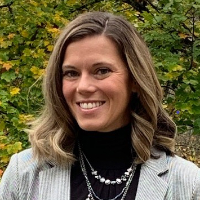
West Virginia · 3 yrs exp
Stress, Anxiety · Relationship · Trauma and abuse · Grief · +13 more
Read profile
West Virginia · 8 yrs exp
Stress, Anxiety · Family · Trauma and abuse · Self esteem · +15 more
Read profile
West Virginia · 14 yrs exp
Stress, Anxiety · Addictions · Trauma and abuse · Anger · +14 more
Read profile
West Virginia · 13 yrs exp
Relationship · Family · Trauma and abuse · Coping with life changes · +5 more
Read profile
West Virginia · 16 yrs exp
Stress, Anxiety · Relationship · Grief · Depression · +1 more
Read profileInternal Family Systems, often called parts work in everyday language, is a therapy approach that begins with a simple but powerful idea: your mind is naturally multiple. You have parts that take on roles - some are protective and try to keep you functioning, some hold pain from past wounds, and at the center is the Self, a calm and curious capacity that can help lead change. In West Virginia, people look for parts work for a wide range of reasons, from dealing with long-standing patterns of self-criticism to finding new ways to respond after trauma. What distinguishes this approach from skills-based or behavior-focused therapies is that IFS does not primarily teach you new coping techniques to override reactions. Instead, it helps you get to know the protective parts that are driving automatic behaviors so the Self can lead with curiosity and compassion.
Because IFS centers on internal relationships among parts rather than labeling parts as wrong, it can feel less confrontational and more exploratory. You will hear language that names managers - parts that try to keep life organized and predictable - and firefighters - parts that jump in with reactive moves when intense feelings arise. Exiles are those parts that carry early hurt and vulnerability, and the Self is invited to build an internal perspective that can work with all these parts without force. For many people in West Virginia, especially those feeling at war with themselves or stuck in repetitive patterns, that shift in relationship can be very meaningful.
IFS is applied to a range of emotional and relational difficulties. If you find that one reaction repeatedly overrides what you want - for example, harsh self-judgment that sabotages relationships, panic responses that erupt in safe situations, or compulsive behaviors that leave you feeling out of control - parts work aims to reveal the roles those responses are playing and to transform the internal system. Trauma and childhood wounds are common reasons people seek IFS because the approach recognizes that exiled parts may carry vivid, unresolved pain. Anxiety and depression often appear as protective strategies that once helped you survive but now limit your life. People who struggle with addictive or compulsive patterns, eating-related difficulties, or chronic shame may find that learning to dialogue with protective parts reduces the intensity and changes the function of those behaviors.
Relationship patterns are another area where IFS can be helpful. When you are repeatedly pulled into the same conflicts or find yourself reacting in habitual ways with partners, family, or coworkers, parts work helps you notice which parts get activated and why. Because IFS is less about teaching a checklist of skills and more about changing internal alliances, it can complement other approaches you may have tried. If you have experience with cognitive-behavioral therapies that focus on skills, you may find IFS offers a different pathway - one that attends to internal experience and relationship among parts alongside practical coping strategies.
IFS is inherently internal and reflective, which makes it well suited to synchronous video sessions. You and your therapist can use the screen to maintain eye contact, track shifts in tone and facial expression, and guide moment-to-moment exploration of parts. Many people find that the online format actually supports parts work because you are in a familiar environment and can pause or ground yourself more easily if a strong emotion arises. For effective online sessions, plan to be in a quiet, uninterrupted private space where you can speak freely and focus. A stable internet connection and a device with a camera and good audio help, but the therapeutic process itself centers on curiosity and gentle pacing rather than complex tools.
Keep in mind that therapists who offer remote care must be licensed in West Virginia to work with residents located in the state. Licensing rules mean that if you live in West Virginia and are meeting with a clinician, that clinician needs to have legal authorization to provide care to you under West Virginia regulations. If you prefer in-person work, check each therapist's profile to see whether they list in-person options for West Virginia locations. When you plan sessions, it is reasonable to ask how a clinician adapts parts work for the screen, how they manage intense affect remotely, and what supports they put in place if you need extra grounding between meetings.
Verifying a therapist's license is an important part of deciding who to work with. Start by asking the clinician for their full name as listed with the licensing board and their license number or credential type, such as LPC, LCSW, LMFT, or psychologist. Once you have that information, you can consult state licensing boards. In West Virginia the main boards people use for mental health credentials include the West Virginia Board of Examiners for Licensed Professional Counselors, the West Virginia Board of Social Work Examiners, and the West Virginia Board of Examiners of Psychologists. Many boards offer an online license lookup tool where you can enter a name or license number and review the license status, expiration date, and whether any disciplinary actions are recorded.
If an online lookup is not available or you want further confirmation, you can call the board office and request verification. Pay attention to the license type and the scope of practice it authorizes - for example, some credentials are specific to counseling, social work, or psychology - and confirm that the license covers telehealth services to West Virginia residents when relevant. Asking a therapist for a copy of their license or registration is reasonable. Verifying licensure helps you ensure that the clinician meets state standards and is authorized to provide clinical care within West Virginia.
Choosing a therapist is a personal decision that combines credentials, clinical approach, and interpersonal fit. Since this directory lists clinicians who include Internal Family Systems among their approaches, a useful next step is to ask about specific IFS experience and how they integrate parts work with other modalities. Inquire about whether they have completed IFS Institute Level 1, Level 2, or Level 3 trainings, or whether they have taken workshops and ongoing consultation in IFS. The IFS Institute also runs a separate certification program; many clinicians pursue parts work through various pathways, so asking directly about a clinician's training history and ongoing learning is the clearest way to understand their background.
Beyond training, consider how the therapist describes the role of parts work in sessions. Some clinicians use IFS as a primary framework, while others integrate it with evidence-based, skills-focused therapies. If you have specific needs - such as work on relationship dynamics, trauma processing, or addictive patterns - ask how they typically structure that work and what a typical session looks like. Language and cultural competency matter too, so check whether the clinician speaks your preferred language or has experience working with people from similar backgrounds. You may also want to discuss practical matters such as fees, insurance participation, and whether they offer sliding scale options. Finally, many people find an initial consultation helpful to assess whether you feel heard and whether the therapist's style fits your way of working. When you focus on training, therapeutic stance, and lived fit rather than assuming certifications, you can make an informed choice that supports your parts work journey.
Finding the right IFS therapist in West Virginia means combining an understanding of how parts work aligns with your goals, verifying credentials, and choosing a clinician whose approach and interpersonal style match what you need. Take the time to ask clear questions about licensure, IFS training steps, and how parts work will be used in your care, and prioritize a clinician who helps you feel seen and able to explore internal relationships with curiosity and safety.
Addictions
1144 therapists
ADHD
1068 therapists
Anger
1326 therapists
Control Issues
1214 therapists
Depression
1835 therapists
Dissociation
567 therapists
Eating Disorders
561 therapists
Grief
1521 therapists
Guilt and Shame
1685 therapists
Impulsivity
1041 therapists
Intimacy Issues
1160 therapists
Isolation / Loneliness
1502 therapists
OCD
752 therapists
Panic Disorder and Panic Attacks
1168 therapists
Post-Traumatic Stress
1521 therapists
Self Esteem
1791 therapists
Self-Harm
751 therapists
Sexual Trauma
806 therapists
Social Anxiety and Phobia
1437 therapists
Stress & Anxiety
1989 therapists
Trauma and Abuse
1735 therapists
Abandonment
1277 therapists
Attachment Issues
1391 therapists
Body Image
902 therapists
Codependency
1241 therapists
Compassion Fatigue
1155 therapists
Coping with Life Changes
1705 therapists
Family
1580 therapists
Family of Origin Issues
1198 therapists
Parenting
1355 therapists
Relationship
1777 therapists
Self-Love
1622 therapists