
Janice Withrow
LPCGeorgia · 17 yrs exp
Relationship · Family · Trauma and abuse · Career · +13 more
Read profileThe therapist listings are provided by BetterHelp and we will earn a commission if you use our link - at no cost to you.
Welcome to IFSTherapists' Georgia directory for Internal Family Systems practitioners. All listed clinicians are licensed and include Internal Family Systems among their clinical approaches. Explore these profiles to review approaches, credentials, languages, and experience.
Georgia · 17 yrs exp
Relationship · Family · Trauma and abuse · Career · +13 more
Read profile
Georgia · 10 yrs exp
Stress, Anxiety · Family · Trauma and abuse · Depression · +11 more
Read profile
Georgia · 7 yrs exp
Stress, Anxiety · Addictions · Relationship · Family · +8 more
Read profile
Georgia · 15 yrs exp
Stress, Anxiety · Relationship · Family · Trauma and abuse · +16 more
Read profile
Georgia · 41 yrs exp
Addictions · Relationship · Family · Grief · +12 more
Read profile
Georgia · 14 yrs exp
Relationship · Family · Intimacy-related issues · Parenting · +12 more
Read profile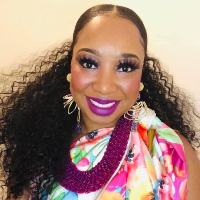
Georgia · 8 yrs exp
Stress, Anxiety · Relationship · Family · Parenting · +11 more
Read profile
Georgia · 11 yrs exp
Stress, Anxiety · Relationship · Trauma and abuse · Anger · +10 more
Read profile
Georgia · 15 yrs exp
Stress, Anxiety · Relationship · Self esteem · Depression · +16 more
Read profile
Georgia · 20 yrs exp
Stress, Anxiety · Addictions · Family · Anger · +13 more
Read profile
Georgia · 21 yrs exp
Stress, Anxiety · Trauma and abuse · Grief · Parenting · +16 more
Read profile
Georgia · 15 yrs exp
Stress, Anxiety · Grief · Intimacy-related issues · Self esteem · +10 more
Read profile
Georgia · 20 yrs exp
Stress, Anxiety · Relationship · Family · Parenting · +10 more
Read profile
Georgia · 14 yrs exp
Stress, Anxiety · Anger · Self esteem · Depression · +11 more
Read profile
Georgia · 25 yrs exp
Stress, Anxiety · Addictions · Trauma and abuse · Self esteem · +13 more
Read profile
Georgia · 22 yrs exp
Stress, Anxiety · Addictions · Trauma and abuse · Parenting · +11 more
Read profile
Georgia · 22 yrs exp
Stress, Anxiety · Relationship · Family · Trauma and abuse · +9 more
Read profile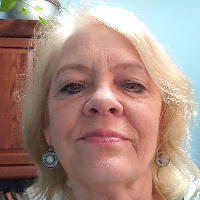
Georgia · 10 yrs exp
Stress, Anxiety · Relationship · Family · Trauma and abuse · +14 more
Read profile
Georgia · 15 yrs exp
Stress, Anxiety · Relationship · Family · Self esteem · +7 more
Read profile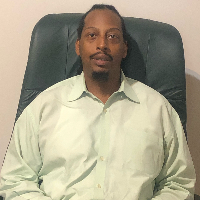
Georgia · 11 yrs exp
Stress, Anxiety · Trauma and abuse · Anger · Depression · +8 more
Read profile
Georgia · 13 yrs exp
Stress, Anxiety · Trauma and abuse · Anger · Self esteem · +5 more
Read profile
Georgia · 11 yrs exp
Stress, Anxiety · LGBT · Relationship · Self esteem · +11 more
Read profile
Georgia · 11 yrs exp
Relationship · Family · Self esteem · Coping with life changes · +13 more
Read profile
Georgia · 20 yrs exp
Stress, Anxiety · Addictions · Trauma and abuse · Grief · +13 more
Read profileIf you are curious about parts work, Internal Family Systems (IFS) takes a distinct stance: the mind is naturally multiple and the presence of different inner parts is normal. In IFS language you will hear about protectors and exiles, and the idea that no part is inherently bad. Protectors show up as managers when they try to preempt problems through control or careful planning, and as firefighters when they react strongly to block pain. Exiles carry the original hurt and loneliness that parts often try to shield you from. The Self is described as a calm, curious core with qualities like compassion and clarity that can lead the internal system when it is available.
In Georgia you can find clinicians who list Internal Family Systems as an approach and who offer online sessions that center on this parts-oriented perspective. For many people the appeal of IFS is that the work gets to know protectors rather than trying to override them, which can reduce internal conflict and create more choice in how you respond to stress. If you find yourself feeling at war with parts of yourself or noticing repetitive reactions that seem to undermine what you really want, parts work often directs attention toward understanding those patterns rather than simply teaching new skills.
IFS is commonly used to explore a wide range of personal and relational difficulties. People often seek parts work for wounds rooted in childhood or earlier painful experiences that continue to shape daily life. You might come to therapy feeling trapped by anxiety, depression, or harsh self-criticism where different parts take over and leave you feeling fragmented. Some parts may aim to keep you safe by controlling situations, while others may react impulsively or seek relief through compulsive behaviors.
Relationship patterns are another frequent focus. When you notice recurring conflicts with partners, friends, or family, IFS helps you map how different parts show up in those moments and how old hurts are triggered in current relationships. The approach is also applied to addictive or compulsive patterns, eating difficulties, and intense shame. Rather than relying primarily on behavioral techniques or skills training, IFS invites you to meet the parts behind those behaviors, to understand their intentions, and to unblend them from your core Self so you can act from greater clarity and choice.
Because IFS centers on internal dialogue, reflection, and relational attunement between you and the therapist, video sessions often translate well to remote work. You and your therapist can observe subtle expressions, tone, and shifts in attention, which are valuable when you are getting to know a part or inviting the Self to lead. In an online session you will want a quiet, uninterrupted space where you can focus and feel comfortable engaging in emotional work.
Session structure in an online IFS session typically involves slowing down, noticing which part holds a strong feeling or reaction, and gently getting to know that part’s role and concerns. A therapist who lists IFS as an approach may guide you through gentle inquiry, help you track sensations and images that arise, and support your ability to relate to parts with curiosity rather than judgment. Keep in mind that to provide therapeutic services to Georgia residents the clinician must hold an appropriate Georgia license for their profession. That licensing requirement ensures a legal framework for practice and helps you understand the scope of what a practitioner can offer.
When you want to confirm a therapist’s credentials in Georgia, start by asking for the clinician’s professional license type and license number. With that information you can consult the appropriate Georgia licensing board online to confirm the license status, expiration date, and any recorded disciplinary actions. Different professions are governed by different boards - for example counselors, social workers, marriage and family therapists, and psychologists each have distinct regulatory bodies - so check the board that corresponds to the clinician’s listed credential.
If the board’s online search is unclear, you can contact the board by phone or email to request guidance on how to interpret a record. Verification typically shows whether the license is active and the credential matches the practitioner’s stated degree. You may also ask the clinician about their scope of practice and treatment approach. Asking for a license number is reasonable and common, and a licensed practitioner should be able to provide it so you can complete your own verification.
Choosing a therapist who lists Internal Family Systems among their approaches involves both practical checks and a sense of fit. Inquire about the clinician’s experience using parts work in the kinds of concerns you bring. The IFS Institute offers Level 1 through Level 3 trainings plus a separate certification process; many clinicians pursue some combination of courses and clinical application. Instead of assuming a particular level of training, it is helpful to ask whether the therapist has completed any of those levels or other IFS-related courses and how they bring parts work into typical sessions.
During an initial consultation you can get a sense of how a therapist explains parts work, how they support stabilization when difficult material comes up, and whether their approach feels collaborative. Fit includes practical elements such as appointment times, cost, and whether they offer sessions in the language you prefer. If you are weighing in-person versus online, consider how easily you can create a focused space for introspection, and whether travel to an office would add or subtract from your ability to engage deeply in the process. Some people prefer being in a familiar environment at home, while others benefit from the separation of a clinician's office. For safety planning, ask how the clinician manages emergencies or crises and what local resources in Georgia they would recommend if additional support is needed.
When you begin IFS therapy you can expect an emphasis on attunement to inner experience. The early work often centers on meeting protectors and learning how they try to help you, even if their strategies cause problems. Over time you may practice bringing the Self forward so you can relate to parts with curiosity and compassion rather than reacting out of fear or shame. This is not a quick fix; parts work moves at the pace of your inner system and values safety and collaboration.
While IFS is distinct from skills-based therapies like cognitive behavioral therapy or dialectical behavior therapy, it can be used alongside those approaches. Where CBT often teaches practical skills to change thoughts and behaviors and ACT focuses on values and acceptance-based behavioral change, IFS primarily focuses on internal relationships and the roles that different parts play. You may find that combining parts work with practical strategies produces helpful results for day-to-day coping, but the hallmark of IFS is the aim of developing greater internal harmony rather than simply adding more strategies to manage symptoms.
Ultimately, finding the right IFS-informed clinician in Georgia means verifying licensure, asking about relevant trainings and how they apply parts work in practice, and trusting your sense of connection in early conversations. Taking the time to learn how a therapist frames IFS and how they plan to support you will help you make an informed choice about the therapeutic relationship and the path forward with parts work.
Addictions
1144 therapists
ADHD
1068 therapists
Anger
1326 therapists
Control Issues
1214 therapists
Depression
1835 therapists
Dissociation
567 therapists
Eating Disorders
561 therapists
Grief
1521 therapists
Guilt and Shame
1685 therapists
Impulsivity
1041 therapists
Intimacy Issues
1160 therapists
Isolation / Loneliness
1502 therapists
OCD
752 therapists
Panic Disorder and Panic Attacks
1168 therapists
Post-Traumatic Stress
1521 therapists
Self Esteem
1791 therapists
Self-Harm
751 therapists
Sexual Trauma
806 therapists
Social Anxiety and Phobia
1437 therapists
Stress & Anxiety
1989 therapists
Trauma and Abuse
1735 therapists
Abandonment
1277 therapists
Attachment Issues
1391 therapists
Body Image
902 therapists
Codependency
1241 therapists
Compassion Fatigue
1155 therapists
Coping with Life Changes
1705 therapists
Family
1580 therapists
Family of Origin Issues
1198 therapists
Parenting
1355 therapists
Relationship
1777 therapists
Self-Love
1622 therapists