
Mylane Wigley
LPCAlabama · 30 yrs exp
Stress, Anxiety · Relationship · Family · Anger · +7 more
Read profileThe therapist listings are provided by BetterHelp and we will earn a commission if you use our link - at no cost to you.
Welcome to IFSTherapists’ Alabama directory for clinicians who include Internal Family Systems (IFS) among their clinical approaches. All listed therapists hold state licensure and indicate IFS or parts work as part of their practice. Explore the profiles below to learn about focus areas, modalities, languages, and professional background.
Alabama · 30 yrs exp
Stress, Anxiety · Relationship · Family · Anger · +7 more
Read profile
Alabama · 26 yrs exp
Stress, Anxiety · Relationship · Family · Trauma and abuse · +15 more
Read profile
Alabama · 3 yrs exp
Stress, Anxiety · Trauma and abuse · Self esteem · Depression · +9 more
Read profile
Alabama · 5 yrs exp
Stress, Anxiety · Family · Parenting · Depression · +1 more
Read profile
Alabama · 24 yrs exp
Stress, Anxiety · LGBT · Relationship · Trauma and abuse · +14 more
Read profile
Alabama · 15 yrs exp
LGBT · Relationship · Grief · Depression · +2 more
Read profile
Alabama · 30 yrs exp
Addictions · Relationship · Family · Depression · +8 more
Read profile
Alabama · 22 yrs exp
Stress, Anxiety · Trauma and abuse · Anger · Self esteem · +16 more
Read profile
Alabama · 19 yrs exp
Stress, Anxiety · Trauma and abuse · Eating · Depression · +15 more
Read profile
Alabama · 18 yrs exp
Stress, Anxiety · Relationship · Family · Trauma and abuse · +12 more
Read profile
Alabama · 20 yrs exp
Stress, Anxiety · Relationship · Trauma and abuse · Grief · +8 more
Read profile
Alabama · 14 yrs exp
Stress, Anxiety · Relationship · Self esteem · Depression · +13 more
Read profile
Alabama · 10 yrs exp
Stress, Anxiety · Addictions · Self esteem · Bipolar · +10 more
Read profile
Alabama · 30 yrs exp
Addictions · Relationship · Family · Trauma and abuse · +8 more
Read profile
Alabama · 24 yrs exp
Stress, Anxiety · Self esteem · Career · Coping with life changes · +14 more
Read profile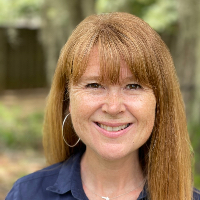
Alabama · 20 yrs exp
Stress, Anxiety · Relationship · Family · Parenting · +14 more
Read profile
Alabama · 10 yrs exp
Stress, Anxiety · Relationship · Family · Depression · +6 more
Read profile
Alabama · 8 yrs exp
Stress, Anxiety · Relationship · Family · Parenting · +12 more
Read profile
Alabama · 3 yrs exp
Stress, Anxiety · Trauma and abuse · Anger · Self esteem · +16 more
Read profile
Alabama · 27 yrs exp
Stress, Anxiety · Addictions · Relationship · Grief · +6 more
Read profile
Alabama · 14 yrs exp
Stress, Anxiety · Relationship · Family · Parenting · +8 more
Read profile
Alabama · 30 yrs exp
Relationship · Parenting · Self esteem · Career · +14 more
Read profile
Alabama · 6 yrs exp
Stress, Anxiety · Family · Trauma and abuse · Grief · +15 more
Read profile
Alabama · 9 yrs exp
Stress, Anxiety · Relationship · Trauma and abuse · Grief · +9 more
Read profileInternal Family Systems, often called parts work in everyday language, is increasingly offered by licensed clinicians across Alabama in online formats. The core idea of IFS is that the mind is naturally multiple: you have parts that carry emotions, beliefs, and reactions, and none of those parts are inherently bad. Some parts act as protectors - managers that try to prevent hurt through planning and control, and firefighters that react impulsively when pain is triggered. Other parts - exiles - hold the vulnerable memories and feelings that protectors work to hide. IFS therapy helps you get to know these parts rather than trying to override them, and it rests on the assumption that the Self - a calm, curious leadership quality - can guide healing when it is given the space to lead.
For people in Alabama, online IFS makes parts work accessible whether you are in a city or a rural area. Video sessions allow clinicians to observe facial expression and tone while keeping the focus on internal experience. If you are exploring IFS, you will likely encounter gentle tracking of thoughts and sensations, dialogue-style work with parts, and practices that support the Self's leadership. Because regulation and safety are central to this work, therapists combine parts work with pacing and grounding techniques so the process unfolds at a sustainable pace.
IFS is often chosen when people feel at war with themselves - when a reaction consistently overrides what you genuinely want or when inner conflict produces harsh self-criticism and shame. The approach is commonly used for healing from trauma and childhood wounds because it offers a way to access and befriend the exiled parts that carry early pain, without retraumatizing those parts. People seeking relief from anxiety and depression may find IFS helpful because it explores how anxious or depressed parts developed their protective roles, and it opens space for the Self to respond differently to triggers.
Parts work is also applied to patterns that feel compulsive or driven, such as addictive behaviors, compulsive eating, or repeated relationship patterns. Rather than focusing first on changing behavior through skills, IFS looks behind the behavior to the parts that are trying to manage unbearable feelings. In practice, that means you and your therapist explore the motivations and needs of those parts so they can shift from reactive strategies to less extreme roles. This contrasts with skills-based approaches like CBT or DBT, which prioritize changing thought patterns and building coping skills, and with behavioral frameworks such as ACT that emphasize acceptance and committed action. Many clinicians integrate IFS with other methods, but the heart of parts work is relational - meeting your parts with curiosity and compassion so the Self can lead.
Because IFS is fundamentally internal and reflective, video sessions translate well to the process. You and your therapist will typically use conversation to locate parts, notice bodily sensations, and invite new kinds of internal relationships. For the online experience to be productive, plan to be in a private space where you will not be interrupted, have adequate internet bandwidth, and use headphones if you prefer more focus. The phrase private space describes the kind of setting that helps you pay attention to subtle shifts without distraction.
Therapists who work with IFS online will also attend to pacing and safety. That means starting slowly with parts that are more accessible, establishing grounding and stabilization practices, and checking in about what feels manageable for you. If strong trauma material emerges, your clinician should outline how they approach regulation and aftercare during sessions. Remember that clinicians must be licensed in Alabama to provide mental health services to residents, so online therapy across state lines is governed by licensure rules. If you are working remotely, clarify your therapist's licensing status and how they handle emergencies or local referrals when needed.
Verifying licensure is an important part of choosing a therapist. Start by identifying the professional discipline that matches your needs - for example, licensed professional counselor, clinical social worker, or psychologist - and then use your browser to find the relevant Alabama state licensing board for that discipline. Most state boards offer an online license lookup where you can search by the clinician's name or license number. The public record typically shows whether the license is active, the expiration date, any discipline or public actions, and the credentials the clinician reports.
When reviewing a license record, note the scope of the license and whether it authorizes the clinician to provide the services you are seeking. If you have questions about a listing or see ambiguous information, contact the board directly by phone or email to request clarification. You can also ask the clinician for their license number and the exact name of the licensing board; a license number lets you match the clinician's profile to the official record quickly. Verifying licensure does not tell you whether a clinician uses IFS in the way you expect, so combine credential checks with direct conversation about training and therapeutic approach.
When evaluating therapists who list Internal Family Systems among their approaches, focus on fit and clarity rather than assuming a particular level of IFS education. Ask about their IFS training and clinical experience - for example, whether they have completed levels of coursework offered by recognized IFS programs and how long they have used parts work in practice. The IFS Institute offers a progression of Level 1 through Level 3 trainings and a separate certification pathway; many clinicians pursue some coursework without completing formal certification. Because listing IFS as an approach does not indicate a specific credential, it is appropriate to ask directly about the clinician's background and how they integrate parts work into sessions.
In a consultation, you can explore how a therapist typically structures sessions, how they work with protectors and exiles, and how they help clients develop Self leadership. Ask about experience with issues similar to yours, cultural competence, and language abilities if those are important factors. Consider whether you prefer in-person work or online sessions - some people find in-person presence helpful for early trauma processing, while others value the accessibility and comfort of video sessions. Ultimately you are looking for a clinician who communicates clearly about their methods, demonstrates respect for your goals, and outlines how they manage pacing and safety in parts work. Verifying licensure and asking about training and experience will help you make an informed decision about fit within Alabama's regulatory context.
IFS offers a way to make peace with internal conflicts by meeting parts with curiosity and allowing the Self to lead. If you are exploring parts work in Alabama, using the directory profiles alongside license checks and focused questions about training will help you find a clinician whose approach aligns with your needs and expectations.
Addictions
1144 therapists
ADHD
1068 therapists
Anger
1326 therapists
Control Issues
1214 therapists
Depression
1835 therapists
Dissociation
567 therapists
Eating Disorders
561 therapists
Grief
1521 therapists
Guilt and Shame
1685 therapists
Impulsivity
1041 therapists
Intimacy Issues
1160 therapists
Isolation / Loneliness
1502 therapists
OCD
752 therapists
Panic Disorder and Panic Attacks
1168 therapists
Post-Traumatic Stress
1521 therapists
Self Esteem
1791 therapists
Self-Harm
751 therapists
Sexual Trauma
806 therapists
Social Anxiety and Phobia
1437 therapists
Stress & Anxiety
1989 therapists
Trauma and Abuse
1735 therapists
Abandonment
1277 therapists
Attachment Issues
1391 therapists
Body Image
902 therapists
Codependency
1241 therapists
Compassion Fatigue
1155 therapists
Coping with Life Changes
1705 therapists
Family
1580 therapists
Family of Origin Issues
1198 therapists
Parenting
1355 therapists
Relationship
1777 therapists
Self-Love
1622 therapists