
Ian Guthrie
LPCMissouri · 7 yrs exp
Stress, Anxiety · Addictions · Relationship · Self esteem · +13 more
Read profileThe therapist listings are provided by BetterHelp and we will earn a commission if you use our link - at no cost to you.
Welcome if you are searching for therapists in Missouri who list Internal Family Systems (IFS) as a clinical approach. All professionals shown here are licensed and include IFS among the methods they use. Explore the listings to learn more about each clinician and whether their background and focus fit what you need.
Missouri · 7 yrs exp
Stress, Anxiety · Addictions · Relationship · Self esteem · +13 more
Read profile
Missouri · 14 yrs exp
Stress, Anxiety · Self esteem · Career · Depression · +13 more
Read profile
Missouri · 35 yrs exp
Stress, Anxiety · Trauma and abuse · Anger · Bipolar · +13 more
Read profile
Missouri · 17 yrs exp
Stress, Anxiety · Addictions · Relationship · Anger · +9 more
Read profile
Missouri · 13 yrs exp
Stress, Anxiety · Addictions · Relationship · Family · +6 more
Read profile
Missouri · 30 yrs exp
Stress, Anxiety · Relationship · Family · Trauma and abuse · +10 more
Read profile
Missouri · 35 yrs exp
Stress, Anxiety · Relationship · Family · Trauma and abuse · +11 more
Read profile
Missouri · 25 yrs exp
Stress, Anxiety · Self esteem · Career · Coaching · +8 more
Read profile
Missouri · 20 yrs exp
Addictions · Trauma and abuse · Parenting · Anger · +13 more
Read profile
Missouri · 10 yrs exp
Stress, Anxiety · Trauma and abuse · Parenting · Depression · +11 more
Read profile
Missouri · 11 yrs exp
Grief · Anger · Self esteem · Career · +1 more
Read profile
Missouri · 4 yrs exp
Stress, Anxiety · Relationship · Self esteem · Depression · +1 more
Read profile
Missouri · 24 yrs exp
Stress, Anxiety · LGBT · Parenting · Self esteem · +13 more
Read profile
Missouri · 14 yrs exp
Stress, Anxiety · Addictions · Trauma and abuse · Self esteem · +14 more
Read profile
Missouri · 6 yrs exp
Stress, Anxiety · Relationship · Family · Parenting · +9 more
Read profile
Missouri · 21 yrs exp
Stress, Anxiety · Grief · Anger · Bipolar · +9 more
Read profile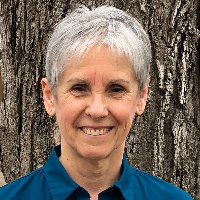
Missouri · 35 yrs exp
Stress, Anxiety · Grief · Self esteem · Depression · +11 more
Read profile
Missouri · 18 yrs exp
Stress, Anxiety · Relationship · Trauma and abuse · Bipolar · +14 more
Read profile
Missouri · 16 yrs exp
Stress, Anxiety · Trauma and abuse · Anger · Self esteem · +11 more
Read profile
Missouri · 17 yrs exp
Self esteem · Coping with life changes · Coaching
Read profile
Missouri · 16 yrs exp
Stress, Anxiety · Addictions · LGBT · Relationship · +5 more
Read profile
Missouri · 8 yrs exp
Stress, Anxiety · Relationship · Self esteem · Coping with life changes · +4 more
Read profile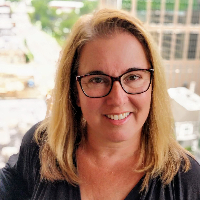
Missouri · 12 yrs exp
Stress, Anxiety · Trauma and abuse · Intimacy-related issues · Self esteem · +8 more
Read profile
Missouri · 20 yrs exp
Stress, Anxiety · Trauma and abuse · Grief · Parenting · +15 more
Read profileIf you are in Missouri and curious about IFS, you will find that parts work translates well to online therapy. IFS is built on the idea that your mind is naturally multiple - that you have parts, and none of them are inherently bad. Some parts act as protectors: managers that try to prevent pain by planning and controlling, and firefighters that react quickly when distress erupts. Other parts - exiles - hold old wounds and vulnerable feelings. The Self is the calm, curious core that can lead inner healing when given space.
Because IFS focuses on inner dialogue, curiosity, and relational stances toward your parts rather than on skills training alone, many Missouri therapists include it among their clinical approaches. If you are drawn to exploring internal relationships, reducing inner conflict, or learning to live with more self-leadership, IFS-oriented work may be a good match. Keep in mind that a therapist listing IFS as an approach does not prove a particular level of qualification in that model; it does tell you that they use parts work in their practice.
Online delivery has broadened geographic access, so you can look for professionals who list IFS and offer virtual sessions for Missouri residents. Therapists who provide online care to people living in Missouri must be licensed to practice in the state, so that is an important verification step when you consider a clinician.
You might come to parts work because you feel at war with yourself - one reaction repeatedly overriding what you truly want. IFS is often used for people coping with trauma and childhood wounds where exiled parts carry painful memories and emotions. It can also be helpful if you experience persistent anxiety or depression that seems to come from conflicting internal voices, or if harsh self-criticism and shame interfere with daily life.
If you struggle with repetitive, compulsive behaviors - addictive patterns, bingeing, or other actions that feel reactive - IFS frames those responses as firefighters or protectors that emerged to shield you from pain. Rather than trying only to change behavior with skills-based strategies, IFS helps you get to know the parts that push you into those patterns so you can negotiate new, less harmful ways of meeting needs. That makes it different from approaches that emphasize skill acquisition or behavioral experiments alone, such as cognitive-behavioral or dialectical approaches, because parts work centers on relational exploration and internal leadership by the Self.
Relationship difficulties and patterns that repeat across partnerships are another area where IFS can be useful. You will learn to notice which parts show up in relationship triggers - perhaps a manager that withdraws to avoid rejection or a firefighter that erupts in anger - and to respond from Self so interactions become less reactive. Eating problems, body image struggles, and certain forms of self-sabotage have also been addressed with parts-oriented therapy, often in combination with other clinical tools.
Online sessions can accommodate the reflective conversations and somatic noticing that IFS often involves. Because the model relies on curiosity, mapping internal parts, and establishing a Self-led stance, video sessions provide the visual and interpersonal cues that support that work. You will typically sit in a quiet, uninterrupted space where you can attend to inner experience and the therapist can guide relational interaction with parts.
During a session, a therapist trained in using IFS approaches will help you slow down, invite curiosity toward a part, and ask questions that foster understanding rather than judgment. You may be asked to notice physical sensations, images, or emotions that accompany a part so the conversation grounds in felt experience. Online platforms can allow for screen-sharing of diagrams, use of therapeutic worksheets, or for you to keep a journal between sessions. If you prefer meeting in person, weigh that against the convenience and reach of online care - many people find the emotional distance of a virtual session helpful for doing delicate internal work from the comfort of a familiar environment at home or elsewhere.
Remember that any therapist who provides clinical services to someone located in Missouri must hold appropriate licensure in the state. That ensures they meet the legal and professional requirements for practicing with Missouri residents, whether sessions are in-person or remote.
Verifying a therapist's license is a straightforward but important step when you are considering IFS-oriented care. Begin by noting the clinician's license type from their profile - common designations include licensed professional counselor, licensed clinical social worker, psychologist, or marriage and family therapist. Next locate the Missouri state licensing board or official government licensing lookup for that profession. The state site will let you search by name or license number to confirm active status, expiration date, and whether there are any public disciplinary actions on file.
If the online record raises questions, you can contact the licensing board by phone or email to request clarification. Keep a record of the license number and the license type when you reach out to a clinician. It is reasonable to ask a therapist directly about their license and the board that issued it as part of your initial outreach. A transparent conversation about credentials, professional background, and the scope of practice helps you make an informed choice.
In addition to state verification, you may also look at a clinician's education, professional memberships, and whether they have completed continuing education in IFS approaches or related trauma work. Because there are different levels of training and a separate certification process administered by the main IFS organization, asking about specific coursework or the names of programs they attended will give you more context than assuming any one label guarantees expertise.
When you are narrowing your options, think about fit on several levels. Start with the clinical areas you want to address - trauma, relationship patterns, mood concerns, or compulsive behaviors - and look for therapists who list experience or special interest in those domains alongside IFS. Ask about the type of training they have completed related to Internal Family Systems: many practitioners participate in Level 1, Level 2, or Level 3 trainings through the IFS Institute, and the organization also offers a formal certification pathway. Because listing an approach does not automatically indicate a specific training level, it is appropriate to ask about the exact trainings they have completed and how they apply parts work in sessions.
In a consultation, pay attention to whether the therapist explains IFS concepts in a way that feels clear and respectful. A helpful clinician will describe parts work as an exploratory, non-pathologizing process where you get to know protectors and exiles rather than having them overridden. You should feel able to ask about how they combine IFS with other methods - for example, whether they pair parts work with skills from cognitive-behavioral therapies or somatic techniques - and to inquire about their experience with issues similar to yours. Language fluency, cultural background, and therapeutic style also matter. If you prefer more directive guidance or more reflective, relational exploration, bring that up during a consultation.
Finally, consider the practicalities of online versus in-person sessions for you. If you live in a rural part of Missouri or have scheduling constraints, online care can widen your options. If you value in-person connection, look for clinicians who offer local appointments. Either way, ask how the therapist approaches moments when intense emotions or flashbacks arise in session and what supports they use to keep you grounded and feeling safe. Taking the time to ask these questions will help you choose a clinician whose approach and background align with your needs as you begin parts work.
Addictions
1144 therapists
ADHD
1068 therapists
Anger
1326 therapists
Control Issues
1214 therapists
Depression
1835 therapists
Dissociation
567 therapists
Eating Disorders
561 therapists
Grief
1521 therapists
Guilt and Shame
1685 therapists
Impulsivity
1041 therapists
Intimacy Issues
1160 therapists
Isolation / Loneliness
1502 therapists
OCD
752 therapists
Panic Disorder and Panic Attacks
1168 therapists
Post-Traumatic Stress
1521 therapists
Self Esteem
1791 therapists
Self-Harm
751 therapists
Sexual Trauma
806 therapists
Social Anxiety and Phobia
1437 therapists
Stress & Anxiety
1989 therapists
Trauma and Abuse
1735 therapists
Abandonment
1277 therapists
Attachment Issues
1391 therapists
Body Image
902 therapists
Codependency
1241 therapists
Compassion Fatigue
1155 therapists
Coping with Life Changes
1705 therapists
Family
1580 therapists
Family of Origin Issues
1198 therapists
Parenting
1355 therapists
Relationship
1777 therapists
Self-Love
1622 therapists