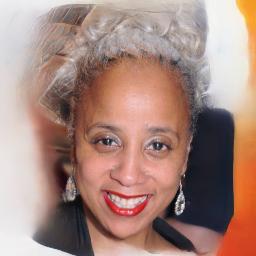
Cheryl Marrow
LPC, LMFTDistrict of Columbia · 25 yrs exp
Addictions · Relationship · Family · Intimacy-related issues · +4 more
Read profileThe therapist listings are provided by BetterHelp and we will earn a commission if you use our link - at no cost to you.
Welcome to IFSTherapists' District of Columbia directory for Internal Family Systems approaches. All therapists listed here are licensed and include Internal Family Systems among their clinical approaches.
Explore individual profiles to learn more about their focus areas, credentials, languages, and therapeutic style.
District of Columbia · 25 yrs exp
Addictions · Relationship · Family · Intimacy-related issues · +4 more
Read profile
District of Columbia · 20 yrs exp
Stress, Anxiety · Relationship · Trauma and abuse · Parenting · +13 more
Read profile
District of Columbia · 25 yrs exp
Stress, Anxiety · Addictions · Family · Trauma and abuse · +13 more
Read profile
District of Columbia · 4 yrs exp
Stress, Anxiety · Family · Grief · Self esteem · +11 more
Read profile
District of Columbia · 30 yrs exp
Stress, Anxiety · Addictions · LGBT · Relationship · +3 more
Read profile
District of Columbia · 6 yrs exp
Stress, Anxiety · Relationship · Self esteem · Depression · +1 more
Read profileIf you live in the District of Columbia and are curious about parts work, you will find online options that allow you to work with Internal Family Systems remotely. Internal Family Systems, often called parts work, begins from the idea that the mind is naturally multiple - everyone has parts with distinct feelings, roles, and perspectives. In IFS language, protectors operate to keep you functioning and safe in daily life; some protectors are managers that plan and prevent harm, while others are firefighters that react quickly when pain gets activated. Exiles carry original hurts and vulnerabilities, and the Self is the calm, curious center that can lead healing when it is allowed to take the lead. That basic map is what distinguishes IFS from approaches that are primarily skills-based or behaviorally focused. While cognitive-behavioral therapies concentrate on changing thoughts and behaviors and while dialectical or acceptance-based approaches often teach coping strategies, IFS focuses on developing a relationship with your parts so they feel heard and less reactive over time.
Online parts work in District of Columbia makes this inward, relational work accessible even if you prefer remote sessions. Because IFS emphasizes listening to and getting to know protectors rather than overriding them, many people find that video sessions give enough relational nuance to do deep work. Remember that while this directory lists therapists who include Internal Family Systems in their clinical approaches, it does not document each clinician's specific IFS coursework or certifications. You should ask directly about a clinician's experience with IFS and confirm licensure for practice in District of Columbia before beginning work.
IFS is often chosen by people who feel they are at war with themselves - when parts of you push for different outcomes or when a repeated reaction keeps overriding what you truly want. In District of Columbia, people turn to Internal Family Systems for a wide range of concerns. If you carry trauma or childhood wounds, IFS offers a way to approach the wounded exiles that hold intense emotion without overwhelming your day-to-day functioning. If you struggle with anxiety or depression, parts work can reveal how protective parts try to manage distress and how those strategies may inadvertently maintain symptoms. People dealing with harsh self-criticism or deep shame frequently find IFS useful because it invites curiosity about the part that criticizes and the part that tries to protect you from perceived threats.
IFS is also applied to addictive or compulsive patterns and to eating-related difficulties by exploring the function that certain behaviors play for different parts. Rather than applying only skill-based techniques to reduce a behavior, parts work helps you understand which parts are trying to soothe, numb, or control and how the Self can lead a more integrated response. In relationships, IFS helps you see how different parts show up under stress and how those patterns influence conflict, communication, and intimacy. Across these areas, the focus is on developing care-filled leadership from your Self so that protectors feel less need to act in ways that cause distress.
Because Internal Family Systems centers on inner dialogue, reflection, and relational attunement between you and your therapist, online formats translate well for many people. Video sessions allow you and the clinician to notice tone, facial expression, and shifts in feeling as you explore parts, and the therapist can guide you through direct conversations with specific parts. You will often be invited to slow down, notice bodily sensations, and bring curiosity to a particular part - all of which are feasible over a well-run video session. For some interventions that involve grounding or movement, therapists will adapt those exercises so you can do them safely where you are.
To make remote parts work effective, choose a quiet, private space for sessions where you will not be interrupted. A reliable internet connection and a device with a camera and microphone usually suffice. It is important to remember that clinicians must hold an active license to practice in District of Columbia to provide treatment to residents, so confirm that any online therapist you consider is licensed to serve the District. If you have concerns about managing strong emotion during an online session, discuss safety planning with the therapist during an initial conversation so you know how they support you if a part becomes activated in session.
Verifying a clinician's licensure in District of Columbia is an important step before beginning therapy. Start by asking the therapist for their full name, license type, and license number. Common professional credentials you may see include licenses for social work, professional counseling, marriage and family therapy, and psychology - often abbreviated as LCSW, LPC, LMFT, PhD, PsyD, or similar. With that information, search the District of Columbia government or licensing board website for a license lookup or verification tool. Those online portals typically let you confirm that a license is active, note the license type, and list expiration and disciplinary history if any exists. If you have trouble finding the verification tool, a general search for District of Columbia professional license lookup followed by the profession name can point you to the right board.
If you prefer a direct route, contact the appropriate District of Columbia licensing office by phone or email and provide the clinician's details to request confirmation. Keep a record of the license number and the verification date for your files. Confirming licensure does not tell you about style or fit, so use the verification step to ensure a clinician is authorized to practice in the District and to check for any formal restrictions, then follow up with questions about experience and approach to determine whether the clinician might be a good match for your needs.
Choosing a therapist to do parts work is a personal process. Many people find it helpful to prepare a short list of priorities before contacting clinicians - for example, whether you prefer someone with trauma experience, experience with couples, or clinicians who speak a particular language. Since listing Internal Family Systems among clinical approaches does not necessarily indicate completion of specific IFS Institute trainings or certification, ask about the clinician's relationship to IFS. You may ask whether they have completed Level 1, Level 2, or Level 3 trainings through the IFS Institute, or whether they have pursued the Institute's certification process. Many clinicians learn and apply IFS concepts without pursuing formal certification, so request details and examples of how they use parts work in sessions rather than assuming uniform background across clinicians.
Use an initial consultation to assess fit. Ask what a typical session feels like, how they introduce parts work for new clients, and how they handle moments when a part becomes highly activated. Notice whether the therapist explains the core IFS ideas - that parts are not bad, that protectors can be understood, and that the Self can lead - and whether they encourage your questions. Also consider logistics that matter to you, such as the mix of in-person and online offerings; for many District residents, online-only work is a practical and effective option, while others prefer occasional in-person sessions if the clinician offers them. Above all, trust your sense of connection and safety with a clinician. Parts work asks you to bring vulnerable material into the room, so feeling seen, respected, and heard by your therapist is central to progress. If you are unsure after a few sessions, it is appropriate to raise those concerns with the clinician or to seek another perspective until you find a therapeutic relationship that supports your process.
Finding an Internal Family Systems clinician who fits your needs in District of Columbia involves both verification and exploration. Confirm licensure through the District's licensing resources, ask specific questions about a clinician's experience with parts work and with the issues you bring, and prioritize the relational fit you feel during initial conversations. With that groundwork, you can begin parts work in a way that helps your Self take the lead and your protectors and exiles feel acknowledged rather than overridden.
Addictions
1144 therapists
ADHD
1068 therapists
Anger
1326 therapists
Control Issues
1214 therapists
Depression
1835 therapists
Dissociation
567 therapists
Eating Disorders
561 therapists
Grief
1521 therapists
Guilt and Shame
1685 therapists
Impulsivity
1041 therapists
Intimacy Issues
1160 therapists
Isolation / Loneliness
1502 therapists
OCD
752 therapists
Panic Disorder and Panic Attacks
1168 therapists
Post-Traumatic Stress
1521 therapists
Self Esteem
1791 therapists
Self-Harm
751 therapists
Sexual Trauma
806 therapists
Social Anxiety and Phobia
1437 therapists
Stress & Anxiety
1989 therapists
Trauma and Abuse
1735 therapists
Abandonment
1277 therapists
Attachment Issues
1391 therapists
Body Image
902 therapists
Codependency
1241 therapists
Compassion Fatigue
1155 therapists
Coping with Life Changes
1705 therapists
Family
1580 therapists
Family of Origin Issues
1198 therapists
Parenting
1355 therapists
Relationship
1777 therapists
Self-Love
1622 therapists