
Kara Denahan
LMFTRhode Island · 23 yrs exp
Stress, Anxiety · Relationship · Trauma and abuse · Self esteem · +14 more
Read profileThe therapist listings are provided by BetterHelp and we will earn a commission if you use our link - at no cost to you.
Welcome to the Rhode Island directory for online Internal Family Systems therapists. All clinicians listed here are licensed and include Internal Family Systems among their clinical approaches; explore the profiles below to learn more.
Rhode Island · 23 yrs exp
Stress, Anxiety · Relationship · Trauma and abuse · Self esteem · +14 more
Read profile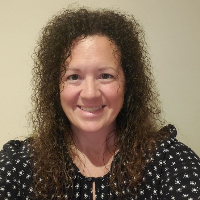
Rhode Island · 22 yrs exp
Stress, Anxiety · Addictions · Relationship · Parenting · +13 more
Read profile
Rhode Island · 20 yrs exp
Stress, Anxiety · Relationship · Intimacy-related issues · Self esteem · +13 more
Read profileIf you are in Rhode Island and curious about parts work, Online Internal Family Systems (IFS) approaches are an option many people choose because the work centers on inner dialogue and relationship with your own experiences. IFS starts from the idea that the mind is naturally multiple - everyone carries different parts that have developed to protect you, to cope, or to hold pain. Those protectors often group themselves into managers, who try to prevent pain by controlling behavior, and firefighters, who act impulsively to douse unbearable feelings. Exiles hold original wounds and memories that frequently drive protectors to act. The aim is not to get rid of parts but to get to know them and invite the Self - your calm, curious core - to lead the system.
Online therapy can make parts work more accessible across Rhode Island, including for people living outside major cities. IFS distinguishes itself from skills-based therapies such as cognitive behavioral therapy and dialectical behavior therapy and from action-oriented or acceptance-focused approaches such as acceptance and commitment therapy. Those methods emphasize tools, symptom management, and behavior change. By contrast, IFS leans into relational work inside the mind - developing a compassionate inner stance, learning the language of your parts, and building Self-led relationships with them so that unwanted patterns soften from the inside out.
Many people turn to IFS because they feel at war with themselves - as if one reaction repeatedly overrides what they really want. You may notice recurring cycles of harsh self-criticism, shame, or a compulsion to soothe through behaviors that later feel regretful. IFS is commonly used for difficulties linked to trauma and early wounds, where exiled parts hold pain that still shapes daily life. It is also applied to anxiety and depressive cycles that feel stuck, to addictive or compulsive patterns that serve a protective function, and to eating-related concerns where parts carry strong needs and rules.
Relationship patterns often respond well to parts work, because IFS helps you identify how protectors show up in interpersonal triggers, what they fear, and which parts are trying to maintain safety in ways that may backfire. For example, a manager part might push for emotional control to avoid perceived rejection, while a firefighter may erupt into distancing behavior after feeling overwhelmed. Working from a stance of curiosity instead of judgment, you can begin to unblend from these interactions and notice different options for responding. While IFS does not replace other modalities, it often complements skills-based strategies by addressing underlying internal motivations that make behavioral change difficult to sustain.
Because IFS centers on internal observation and relational curiosity with your parts, video sessions are a good fit for this kind of work. In an online session you and your therapist can use the screen to maintain eye contact, reflect emotions, and guide internal exploration in real time. You will typically be invited to notice bodily sensations, images, or feelings associated with a part, and the therapist will help you develop a compassionate stance so the Self can connect, ask questions, and calm protectors. This process translates well over a reliable video connection.
What matters most is that you have a quiet, uninterrupted space during sessions where you can turn inward without distraction. Whether you choose a room at home, a parked car between commitments, or another setting that feels comfortable, the practical requirement is a place where you can focus. Keep in mind that therapists providing services to Rhode Island residents must be licensed to practice in Rhode Island. Licensing determines legal practice boundaries and is an important factor when you consider online therapy across state lines.
Verifying a clinician's license is a straightforward but important step. Start with the therapist's professional listing: note the exact name and the credential they use - for example, psychologist, licensed clinical social worker, licensed mental health counselor, or marriage and family therapist. Then use the Rhode Island state licensing portal or the relevant state licensing board to search that name. Most state boards let you look up license status, expiration date, and whether any disciplinary actions have been recorded.
If the online search is unclear, you can contact the licensing board directly by phone or email and ask for verification. When you search, confirm the license type matches the services you expect and that the license is active and in good standing. If a therapist lists practice locations or professional addresses, those details can help you confirm identity. Remember that licensing rules vary by profession - the board that licenses psychologists is different from the board that oversees social workers or counselors - so check the correct registry for the credential you are reviewing.
Choosing a therapist is a personal decision that goes beyond listing an approach. When you are considering practitioners who list Internal Family Systems among their clinical methods, ask about their IFS education and experience so you understand how they incorporate parts work into their practice. The IFS Institute offers a sequence of Level 1, Level 2, and Level 3 trainings and a separate certification process. Many clinicians study these materials or take workshops, and some pursue the Institute's certification while others gain familiarity through coursework, consultation, or supervision. Listing IFS as an approach does not indicate a specific level of Institute coursework or certification, so it is reasonable to ask directly about the nature and depth of their IFS work.
In an initial consultation you will want to get a sense of how the therapist talks about parts work, how they explain the role of Self leadership, and whether their methods align with what you hope to achieve. Ask about the types of issues they commonly address with IFS, how they integrate parts work with other clinical approaches, and what a typical course of work looks like for someone with your concerns. Consider language, cultural competence, years of clinical experience, and whether the therapist has special focus areas that match your needs. Also think about the relative importance of in-person versus online work for you: some people begin online and transition to in-person, others remain entirely online, and some prefer in-person sessions for particular phases of therapy. Weigh these preferences along with credentials and your sense of rapport.
If you are new to parts work, early sessions often emphasize orientation - learning IFS terminology, identifying a few prominent protectors and exiles, and practicing ways to access Self qualities like curiosity, calmness, and compassion. Progress can be gradual and layered; you may begin with building trust and Self access before shifting to deeper engagement with exiled material. You can expect a collaborative pace, where you and the therapist decide how quickly to invite parts into conversation. That pace is shaped by your comfort and the parts' willingness to be known rather than overwhelmed.
As you explore listings on this page, focus on fit: the clinician's approach, the training and coursework they describe, their professional credential, the populations they highlight, and whether their explained methods resonate with you. Because you are seeking a therapeutic relationship, trust how you feel about a therapist's explanations and warmth during a consultation. Ask about training specifics and licensure; verify that the clinician is licensed to work with Rhode Island residents; and use that information to choose someone with whom you can begin meaningful parts work. If you have questions about any listing, reach out to the clinician to learn more about their approach and how they describe working with parts in practice.
Addictions
1144 therapists
ADHD
1068 therapists
Anger
1326 therapists
Control Issues
1214 therapists
Depression
1835 therapists
Dissociation
567 therapists
Eating Disorders
561 therapists
Grief
1521 therapists
Guilt and Shame
1685 therapists
Impulsivity
1041 therapists
Intimacy Issues
1160 therapists
Isolation / Loneliness
1502 therapists
OCD
752 therapists
Panic Disorder and Panic Attacks
1168 therapists
Post-Traumatic Stress
1521 therapists
Self Esteem
1791 therapists
Self-Harm
751 therapists
Sexual Trauma
806 therapists
Social Anxiety and Phobia
1437 therapists
Stress & Anxiety
1989 therapists
Trauma and Abuse
1735 therapists
Abandonment
1277 therapists
Attachment Issues
1391 therapists
Body Image
902 therapists
Codependency
1241 therapists
Compassion Fatigue
1155 therapists
Coping with Life Changes
1705 therapists
Family
1580 therapists
Family of Origin Issues
1198 therapists
Parenting
1355 therapists
Relationship
1777 therapists
Self-Love
1622 therapists