LPC, LCMHC
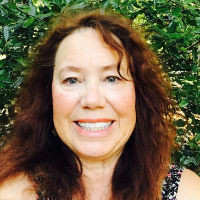
Sherry Friedman, LPC, LCMHC
- Experience12 years
- LocationNorth Carolina
- Focus areasStress and Anxiety, Trauma and abuse, and Parenting
- Therapy approachesInternal Family Systems and Attachment-Based Therapy
Review online therapy options and next steps on BetterHelp.
About Sherry
Sherry Friedman is a licensed professional counselor with 12 years of clinical experience working from North Carolina. She holds the LPC and LCMHC credentials and brings a multilayered, exploratory approach to therapy that draws on depth-oriented traditions and contemporary skills-based methods.
Background and approach
Her work emphasizes emotional insight, personal values, and practical strategies to manage stress, anxiety, mood concerns, trauma, grief, and life transitions. Sherry blends Internal Family Systems-informed ideas with attachment-based and client-centered sensibilities, and she also incorporates elements from dialectical behavior therapy and emotionally-focused practice.
That combination supports exploration of patterns rooted in early relationships while teaching grounding and coping skills for day-to-day life. She describes her therapeutic stance as warm, interactive, and holistic, attending to psychological, relational, cultural, and energetic factors that shape well-being.
Clients who seek greater self-understanding, clearer boundaries, and renewed direction in career or relationships may find her approach useful. Sherry frames therapy as a collaborative process aimed at helping people move toward their values and strengths while developing practical tools to manage emotional and interpersonal challenges.
Integrating Therapeutic Approaches for Online Healing
Internal Family Systems (IFS) is used as a way to explore the different parts of a person’s inner life, helping clients notice and relate kindly to feelings, protectors, and vulnerable parts. This approach can be useful for people wanting to understand repetitive emotional patterns and reduce inner conflict. Attachment-Based Therapy focuses on how early relationships shape current ways of connecting and coping; it helps people improve closeness, communication, and emotional regulation in relationships. Client-Centered Therapy emphasizes empathic listening and collaboration, giving space for clients to lead the pace of change while the therapist provides validation and support.
Choosing the right approach is treated as a collaborative process. The therapist will discuss goals, preferences, and current needs to decide whether exploration, skill-building, or a mix of methods fits best, and adjustments are made over time based on what feels most helpful to the client.
Online therapy options include video calls, phone sessions, live chat, and text-based messaging to offer scheduling flexibility and easier access from home or work. These formats allow for ongoing skills practice, check-ins between sessions, and a variety of communication styles so people can engage in therapy in the ways that suit their lives and needs.
Frequently asked questions
What kinds of concerns does she address?
How would you describe her therapeutic style?
What is her professional background?
Where is she licensed to practice?
Does she work with non-English speakers or international clients?
What session formats are available?
How are fees and subscriptions handled?
What are the first steps to begin working with her?
Areas of expertise
Primary focus
Also works with
Additional focus areas
Therapeutic approaches
Experience
12+ years
Licensed
North Carolina, South Carolina, Rhode Island
Languages
English