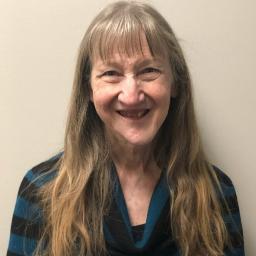
LCSW
Karen Murphree, LCSW
- Experience30 years
- LocationMontana
- Focus areasStress and Anxiety, Grief, and Self esteem
- Therapy approachesInternal Family Systems and Attachment-Based Therapy
Review online therapy options and next steps on BetterHelp.
About Karen
Karen Murphree is an LCSW with three decades of clinical experience and a broad, integrative approach to mental health. She blends evidence-based practices with creative and somatic techniques to support adults navigating stress, anxiety, grief, depression, relationship and intimacy concerns, trauma, compassion fatigue, and identity-related challenges.
Background and approach
Her work favors a strength-based, whole-person perspective that honors the connection between lifestyle, body, and mood. Sessions may include talk therapy alongside visual imagery, guided meditations, movement, music, art, rituals, and attention to sleep and nutrition when relevant.
She draws from Internal Family Systems alongside CBT, DBT, attachment-based ideas, EMDR-informed strategies, and compassionate inquiry to help clients identify limiting beliefs and patterns and to access their own healing capacities. Karen emphasizes an individualized, collaborative process that meets people where they are and encourages exploration of spiritual and creative resources.
Based in Montana, she offers a welcoming, nonjudgmental stance and affirms diverse identities including LGBTQIA2S+, polyamory, kink, and neurodivergence. Practical resources and educational links are often provided so clients can continue learning and practicing between sessions.
Integrating therapeutic approaches with online care
Karen blends Internal Family Systems and Attachment-Based Therapy into an integrative online practice. Internal Family Systems views the mind as made up of parts and offers a path to understand internal conflicts and heal from within, which can support work on trauma, shame, and self esteem. Attachment-Based Therapy focuses on relational patterns formed early in life and helps people improve communication, trust, and emotional regulation in close relationships.
Finding the most helpful approach is a collaborative process. The therapist will work with each client to explore goals, preferences, and lived experience to determine whether IFS, attachment work, elements of CBT or DBT skills, or a combination will best support progress. Clients and therapist revisit goals and techniques as needed to refine what feels most effective.
Online sessions are offered via video calls, phone sessions, live chat, or text-based messaging to enhance flexibility and accessibility. These formats make it possible to fit therapy into busy schedules, continue work between in-person appointments when travel is difficult, and maintain momentum through varied communication methods that match client needs.
Frequently asked questions
What concerns does this therapist commonly address?
What is the general therapeutic style and approach?
How much clinical experience does she have?
What credentials and location are listed?
Are sessions available in other languages or to international clients?
What formats are available for sessions?
How are fees and payment handled?
What are the steps to begin working together?
Areas of expertise
Also works with
Additional focus areas
Therapeutic approaches
Experience
30+ years
Licensed
Kansas, Washington, Missouri, Montana, Idaho, Oregon
Languages
English