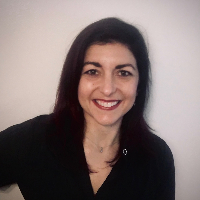
LCMHC, LPC
Susan Shafer, LCMHC, LPC
- Experience15 years
- LocationNew Jersey
- Focus areasStress and Anxiety, Trauma and abuse, and Anger
- Therapy approachesInternal Family Systems and Client-Centered Therapy
Review online therapy options and next steps on BetterHelp.
About Susan
Susan Shafer brings an Internal Family Systems-informed perspective to her therapeutic work, blending that framework with client-centered care and cognitive behavioral techniques to support emotional healing and practical change.
Background and approach
Susan is a Licensed Clinical Mental Health Counselor and a Licensed Professional Counselor with 15 years of experience working across community settings. She integrates talk therapy with mindfulness practices to help clients explore thoughts, emotions, and the parts of themselves that influence behavior.
She has helped people facing stress, anxiety, depression, trauma and abuse, grief, ADHD, and life transitions, among other concerns. Her method often incorporates mindfulness and breath-based practices alongside structured CBT tools to build coping skills and increase self-awareness.
Susan’s training and years in practice inform a flexible, person-focused approach that emphasizes clients' strengths and goals. Based in New Jersey, Susan offers a collaborative style that encourages openness and curiosity about inner experience.
She guides clients toward practical strategies and self-connection so they can navigate relationship, career, parenting, and mood-related challenges with greater resilience and clarity.
How IFS, Client-Centered Work, and CBT Translate Online
Internal Family Systems helps people notice and dialogue with the different parts of themselves - the protective, wounded, and exiled parts - to reduce internal conflict and foster self-leadership. Online sessions can use reflective conversation and guided exercises to explore these internal dynamics and build compassion for difficult feelings.Client-Centered Therapy focuses on creating a supportive, nonjudgmental space where a person’s own goals and values guide the work. In virtual meetings this shows up as careful listening, empathic reflection, and collaborative goal-setting so clients feel heard and understood while developing insight.
Cognitive Behavioral Therapy offers structured tools to identify and change unhelpful thinking patterns and behaviors, using practical skills such as thought logs, behavioral experiments, and skill-building between sessions. These techniques adapt well to video or phone sessions and can be reinforced through messaging and shared digital worksheets.
Choosing an approach is a collaborative process. The therapist will help determine which combination of methods best fits a client’s concerns, goals, and preferences, and will adjust strategies over time based on progress and feedback.
Online therapy with video calls, phone sessions, live chat, or text-based messaging provides flexibility for scheduling and lets clients access therapy from home or other convenient locations. These formats make it easier to maintain continuity of care, practice new skills between sessions, and stay engaged when life or logistics make in-person work difficult.
Frequently asked questions
What kinds of concerns can be addressed in sessions?
How would you describe the therapeutic style?
What is Susan's background and clinical experience?
What credentials and location are listed?
Which languages are available for sessions?
In what formats are sessions offered?
How is cost handled for sessions?
What are the first steps to begin working together?
Areas of expertise
Primary focus
Also works with
Additional focus areas
Therapeutic approaches
Experience
15+ years
Licensed
North Carolina, New Jersey
Languages
English