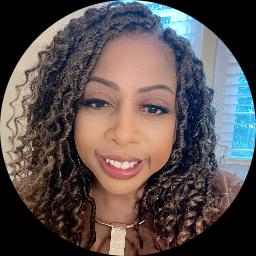
LCMHC
Mary Walston, LCMHC
- Experience11 years
- LocationNorth Carolina
- Focus areasStress and Anxiety, Relationship, and Family
- Therapy approachesInternal Family Systems and Attachment-Based Therapy
Review online therapy options and next steps on BetterHelp.
About Mary
Mary Walston is a Licensed Clinical Mental Health Counselor (LCMHC) who integrates experiential and evidence-informed methods to help people navigate stress, anxiety, relationship challenges, grief, depression, trauma, and life transitions.
Background and approach
With 11 years of clinical practice, she emphasizes uncovering patterns and root causes that contribute to distress while tailoring each session to the client’s circumstances and goals. Her style is warm, interactive, and respectful, focused on collaboration and practical steps toward repair and growth.
She draws on a range of approaches including Internal Family Systems, Attachment-Based techniques, client-centered methods, Cognitive Behavioral strategies, and Emotionally-Focused interventions to meet varied needs such as intimacy issues, parenting concerns, career stress, compassion fatigue, and ADHD-related struggles. Mary has supported people dealing with abuse, blended family dynamics, control and communication difficulties, infidelity, and caregiver stress.
Based in North Carolina, she works with adults to create personalized plans that blend insight, skill-building, and compassionate support to move forward.
Integrating proven approaches for online healing and change
Internal Family Systems (IFS) is an approach that helps people notice and work with the different parts of their inner experience, encouraging compassionate curiosity toward thoughts and feelings that influence behavior. It can be useful for issues like trauma responses, self-criticism, and relational patterns. Attachment-Based Therapy focuses on understanding how early relational experiences shape current connections and emotional responses, helping clients build safer, more supported ways of relating in close relationships. Client-Centered Therapy emphasizes the therapist's empathic presence and nonjudgmental stance, creating a space where clients can explore feelings and develop their own solutions.
Finding the right combination of these methods is a collaborative process. The therapist works with each client to determine which approaches best fit their needs, goals, and preferences, and adapts techniques over time based on what proves most helpful in sessions. This cooperative stance helps clients feel involved in shaping their therapeutic path.
Online therapy offers practical flexibility by allowing work through video calls, phone sessions, live chat, or text-based messaging. These formats make it easier to fit therapy into busy schedules, maintain continuity during life transitions, and access consistent support from a licensed professional regardless of geographical constraints. The variety of options also lets clients choose the communication style that feels most comfortable while progressing with the therapeutic work.
Frequently asked questions
What concerns does this therapist commonly address?
How would you describe the therapeutic style used?
What is the clinician's background and experience?
Where is the therapist licensed and based?
Are sessions available in languages other than English?
What session formats are offered for online work?
How are fees and payment structured?
What are the steps to begin working together?
Areas of expertise
Primary focus
Also works with
Additional focus areas
Therapeutic approaches
Experience
11+ years
Licensed
North Carolina
Languages
English