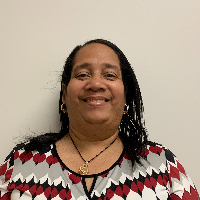
LCSW, LSCSW
Angela Bryant, LCSW, LSCSW
- Experience10 years
- LocationMissouri
- Focus areasStress and Anxiety, Relationship, and Trauma and abuse
- Therapy approachesInternal Family Systems and Attachment-Based Therapy
Review online therapy options and next steps on BetterHelp.
About Angela
Angela Bryant is a licensed clinical social worker with ten years of experience offering supportive, trauma-informed psychotherapy. She holds LCSW and LSCSW credentials and has practiced across Missouri, Kansas, and Illinois.
Background and approach
Her approach is warm and interactive, blending Internal Family Systems with client-centered, attachment-informed and cognitive behavioral strategies to address worries like anxiety, depression, stress, and relationship strain. Her work spans many life challenges including trauma and abuse, addictions, parenting and family concerns, grief, compassion fatigue, ADHD, and issues tied to aging, bereavement, and caregiving.
She has additional experience engaging with adoption and foster care matters, blended-family dynamics, and care for those facing isolation or chronic guilt and shame. EMDR training and trauma-focused experience complement her toolkit for people processing physical or emotional trauma.
Sessions are customized to each person’s needs, emphasizing respect, sensitivity, and a nonjudgmental stance. Angela aims to collaborate with clients to create practical strategies and meaningful change, guiding those ready to take steps toward greater balance, resilience, and emotional well-being.
Bringing attachment and parts work to online therapy
Angela integrates Internal Family Systems and Attachment-Based ideas into online care, using each approach to explore how internal parts and relational patterns shape feelings and behavior. Internal Family Systems helps identify and work with the internal parts that hold emotions like shame, fear, or anger, which can be useful for trauma, grief, and self-esteem concerns. Attachment-Based Therapy focuses on how early and current relationships influence emotional needs and connection, helping with relationship strain, caregiver stress, and feelings of isolation.Choosing an approach is a collaborative process. The therapist will work with clients to assess needs, goals, and preferences and then blend methods such as client-centered listening, CBT tools, or parts work to create a personalized plan. This allows adjustments over time as healing and insight unfold.
Online sessions are offered via video calls, phone sessions, live chat, or text-based messaging to increase flexibility and access. These formats let people fit therapy into busy lives, maintain continuity during life transitions, and continue work on coping skills, processing trauma, and improving relationships from locations that suit them.
Frequently asked questions
What concerns does this therapist commonly address?
What is her therapeutic style and approach like?
How much clinical experience does she have?
Which credentials and locations are on file?
In what language can sessions be held and are international clients accepted?
What session formats are available for working together?
How are costs and billing handled for sessions?
What are the first steps to begin therapy?
Areas of expertise
Primary focus
Also works with
Additional focus areas
Therapeutic approaches
Experience
10+ years
Licensed
Missouri, Kansas, Illinois
Languages
English